Opening a birth center is an exciting and powerful step toward expanding access to safe, holistic maternity care. But before welcoming families through your doors, you’ll need to navigate the licensing and accreditation process—a task that can feel overwhelming, especially since requirements vary widely across the United States.
At Midwifery Business Consultation, we specialize in guiding midwives and entrepreneurs through the startup process, including understanding regulations, obtaining licensure, and pursuing accreditation. This blog provides an overview of what to expect state by state and how to position your birth center for long-term success.
Why Licensing and Accreditation Matter
-
Licensing: Required by state law to operate legally, licensing ensures that your birth center meets minimum standards for safety, staffing, and facility design.
-
Accreditation: A voluntary step that demonstrates your center meets national standards of care, often required for insurance reimbursement and hospital collaboration.
Together, licensing and accreditation:
-
Protect families through quality oversight.
-
Enhance credibility in your community.
-
Improve your chances of insurance contracting and reimbursement.
State-by-State Variations
Each state has its own rules, regulatory agencies, and requirements for birth centers. Some states are supportive with clear regulations, while others don’t recognize birth centers at all—creating hurdles for midwives.
Here are examples of the differences:
-
Texas: Birth centers are licensed by the Texas Department of State Health Services. Regulations outline specific facility requirements and staffing models.
-
California: The California Department of Public Health licenses birth centers and requires them to have physician oversight written into their policies.
-
Alaska: No specific licensure pathway for freestanding birth centers—midwives often operate under professional midwifery regulations.
-
New York: Strictly regulated; birth centers must be affiliated with a hospital or surgical facility to receive approval.
-
Oregon: More supportive environment with both state licensing and pathways to insurance reimbursement.
💡 Tip: Even if your state doesn’t specifically regulate birth centers, local zoning laws, building codes, and health department requirements may still apply.
Accreditation Options for Birth Centers
While licensing is state-specific, accreditation follows national standards. Two main organizations provide accreditation for birth centers in the U.S.:
-
Commission for the Accreditation of Birth Centers (CABC)
-
Focused specifically on midwifery-led birth centers.
-
Accreditation demonstrates compliance with American Association of Birth Centers (AABC) Standards.
-
-
The Joint Commission
-
A broader healthcare accrediting body.
-
Sometimes pursued if the birth center intends to expand into additional healthcare services.
-
Accreditation helps with:
-
Insurance contracting (many payers require it).
-
Risk management and liability protection.
-
Marketing—families trust accredited facilities.
Steps to Get Licensed and Accredited
-
Research Your State Regulations
Contact your state’s health department and midwifery association. Requirements can include facility design, staffing ratios, transfer agreements, and safety protocols. -
Prepare Policies & Procedures
Create a comprehensive manual covering clinical protocols, emergency procedures, infection control, and staff responsibilities. -
Design Your Facility
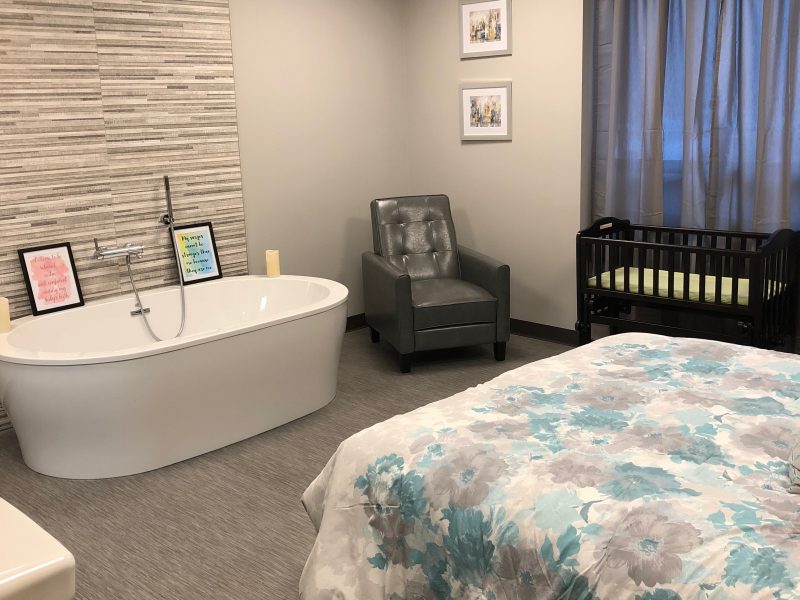
Most states require specific design features: separate exam rooms, birth suites with space for emergency care, accessible bathrooms, and sterilization areas. -
Submit Application & Fees
Licensing usually requires an application, inspection, and renewal every few years. -
Pursue Accreditation
After state licensure, apply for accreditation with CABC or The Joint Commission to strengthen your credibility and insurance relationships.
How Midwifery Business Consultation Supports You
Navigating licensing and accreditation can be one of the most stressful parts of starting a birth center. At Midwifery Business Consultation, we provide:
-
State-specific startup guidance (including policy templates and compliance checklists).
-
Accreditation preparation support to help you meet CABC standards.
-
Business planning to align regulations with financial goals.
-
Ongoing consulting so you can focus on clients while we help manage compliance.
We’ve guided birth centers across the country—from Texas to New York to Oregon—through these steps, saving them time, stress, and costly mistakes.
Final Thoughts
Licensing and accreditation may feel like a maze, but they’re key to building a birth center that’s safe, trusted, and financially sustainable. With the right support, you can navigate state requirements, achieve accreditation, and confidently open your doors to the families who need you.
Ready to Start Your Birth Center Journey?
Midwifery Business Consultation offers customized state-by-state guidance to help you navigate licensing, accreditation, and business setup. Schedule a consultation today and take the first step toward bringing your vision to life.